

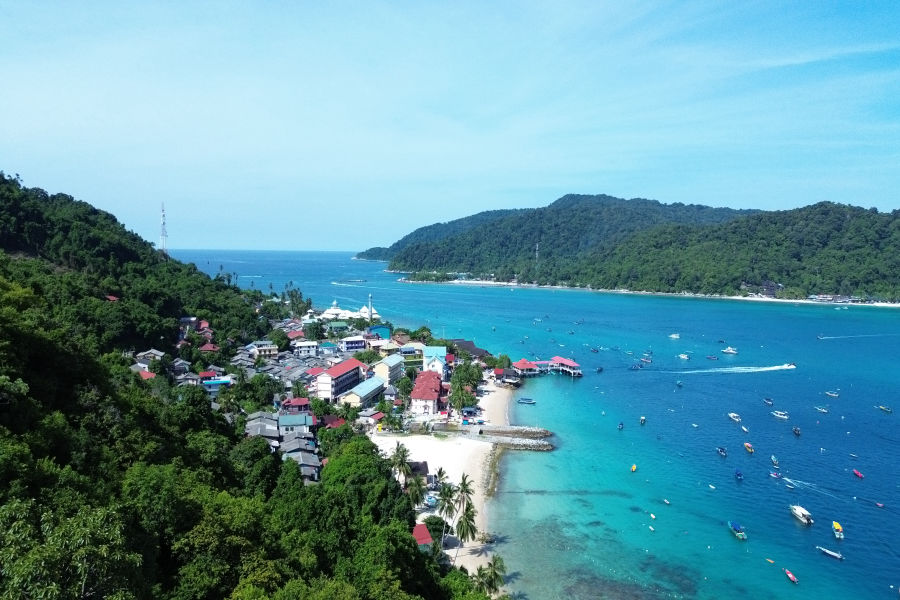
Remote, tranquil, and white sand beaches with deep turquoise water, the Perhentian Island is straight out of the dream of a beach lover. Tucked off the northeast coast of Malaysia Peninsula, I quite haven’t been able to find any other place on earth with this much serenity and repose with nature.
Even though very few other than domestic tourists know about this hidden gem, it’s highly advisable to visit here to spend your summer holidays. I spent my summer days swimming with reef sharks, exploring fishing villages and snorkeling.
The two main islands in Perhentian island are Pulau Perhentian Besar and Pulau Perhentian Kecil. As I wanted solitude and rest within the lap of nature, I stayed on Pulau Perhentian Besar which is larger and quieter of the two while Pulau Perhentian Kecil is livelier and has active nightlife, watersports and more. You will easily get beachfront accommodation with palmlines meeting the white sand, and also excellent snorkeling and diving sites.
How to Reach Pulau Perhentian?
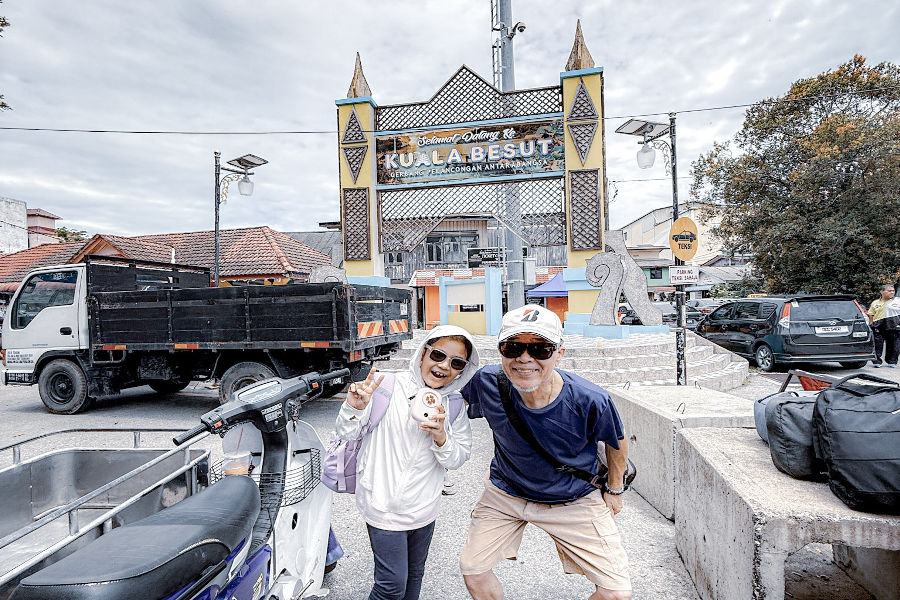
The gateway to the islands is Kuala Besut Jetty, located in Terengganu.
By Road: If you’re traveling overland, Kuala Besut is about 8 hours’ drive from Kuala Lumpur or 6 hours from Penang/George Town. You can take a bus or drive directly to the jetty.
By Flight: If you prefer to save time, fly from Kuala Lumpur to Kota Bharu (KBR) or Kuala Terengganu (TGG) both are about an hour’s flight and then drive about another hour to Kuala Besut Jetty.
- From Kota Bharu, it’s about 1 hour’s drive to Kuala Besut.
- From Kuala Terengganu, about 1 hour 45 minutes.
Speedboats from Kuala Besut Jetty to the islands depart between 8:00 AM and 4:00 PM and take 35–45 minutes. Tickets cost around RM 35–80 one way (as of 2025) For Local and Foreigner.
Where to Stay On Perhentian Island?

Perhentian has a wide range of stays, from glamping and beach chalets to boutique resorts. Despite development, the islands have preserved their raw charm electricity still runs on generators in some areas, and there are no high-rise hotels.
Budget & Mid-Range Options:
- D’Lagoon Chalet – Simple and close to a popular snorkelling spot.
- D’Aurai Chalet – Beachfront huts with sunset views on Kecil.
- Dnamie Glamping Perhentian – Stylish tents for budget travellers who want comfort.
- Herrera Perhentian – Local-style rooms run by friendly hosts.
Luxury Options (Besar side):
Perhentian Island Resort (PIR) – Classic choice with private beachfront.
Alunan Resort – Elegant hillside rooms with ocean panoramas.
Tuna Bay Island Resort – Family-friendly and known for excellent service.
3D2N Pulau Perhentian Itinerary
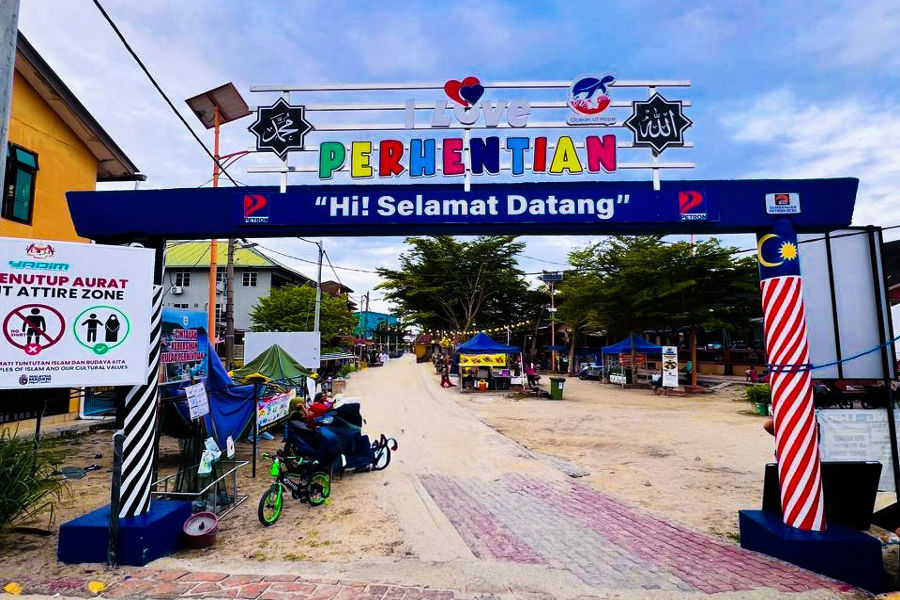
I came to this island hoping to spend a few days bathed in sun and enjoying the cold splashes of sea on the body and I ended up having so many experiences and fun having to explore all the beautiful trenches and spent most of my days diving underwater.
Day 1 : Arrival & Island Orientation

The jetties from Kuala Besut generally start in between 7am to 8am onwards. Depart early from there and see the beautiful morning sun reflecting and gliding over the turquoise water for your 30–40-minute boat ride. Upon arrival I was feeling rough and the boat driver had to give me a hand for my backpack. After settling in, I walked on the white sand beach, and most hotels are connected to beach paths.
I just had to walk on the main beach and try out different cafes and local fresh seafood paired with Nasi Lemak or Mee Goreng and the day went by so fast. During sunset, I walked all the way to Coral Bay on Keci for the best sunset views and to catch the golden hour. Some tourists headed to Teluk Dalam on Besar for the beautiful sunset as well.
The beach’s serenity and quietness will make you fall in love with the island and the warm sunrays mixed with beachy salty aroma will make you feel alive.
Day 2: Diving or Snorkelling & Island Hopping

The marine life in these islands are full of reef sharks, colourful fish species, beautiful corals and underwater fauna. There are a lot of snorkeling and diving spots but for snorkeling the most convenient and famous ones are shark point, turtle bay and coral garden.
If you are doing an exclusive driving trip, there are more than twenty great diving places on the island which includes Tukun Laut, Terumbu Tiga (T3), Shark Point, D’Lagoon. You will be thrilled to swim along with turtles, baby reef sharks and explore the faunas.
I panicked the first time I saw a blacktip reef shark at Shark Point. My guide, Rizal, touched my shoulder and said ‘relax.’ The shark didn’t even look at me. I spotted 6 turtles, 2 sharks, and one small octopus hiding in the coral. After the amazing memorable and exhaustive snorkeling session, have you lunch in any of the huts or cafes where typically seafood is prevalent.
Spend the rest of the day resting or getting massages and spas to rejuvenate. In the evening, head over to Kecil for the night life, explore beachside bars, witness fire shows or enjoy beach barbecues and open raves. Take in the experience in its fullness and find happiness within the present.
Day 3: Perhentian Island Fishing Village Tour

To witness the authentic Malaysian Kampung life, I took a boat ride to the fishing village by ferry or boat taxi. The experience of knowing the day-to-day life of the fishing people is insane and observing traditional fishing methods, interacting with the friendly locals will give you a sense of belonging and gratitude.
The culture of Malay Kampung was evident there. After the fishing village tour, you can enjoy another beginner diving or snorkelling session from a different point. Three kids followed us around the village, giggling and asking, ‘Where are you from?’ over and over.
One little girl, maybe 6 years old, held my hand the entire tour. Enjoy your last walk on the beaches and soak in the sun before you catch the ferry. But make sure to leave a little early as the ferries to Kuala Besut only run till 4pm.
Perhentian Island Diving Points

If you are exclusively going for a diving trip to Perhentian, there are more than twenty diving spots in the island. Here are top five diving spots with the pros and cons of each site for you to consider.
Tukun Laut (5-24 meters): This site is often called “The Temple of The Sea” as it is best known for spotting an amazing variety of marine life like giant puffers, giant morays and trevally at just 18 meters. Even on the safety spot you can find amazing varieties of nudibranchs, squid, rays and boxfish. As you swim around the pinnacle you can spot huge schools of bamboo sharks resting under the rock and under huge schools of snappers.
T3 Diving Site: As it may be evident from the name, T3 is a widely popular diving site made up of three giant boulders and it’s a great spot to visit varieties of pelagic fishes. At T3, I spotted a stingray the size of a car hood buried in the sand. Only saw it because my dive instructor pointed directly at it.
Located on the east side of Besar shore, Terumbu Tiga offers one of the best dives in Perhentian islands. You can spot stingrays, butterfly fish, angel fish, clown, spider, parrot, puffer, trigger and box fish. Most spotting at this site happens during May to July.
Batu Layar (8-22 meters): Known as the “Sail Rock,” Batu Layar is a submerged pinnacle that rises dramatically from the seabed. This site is famous for its healthy hard coral gardens and being a cleaning station for larger marine species. You’ll encounter barracudas, trevally, fusiliers, and if you’re lucky, the occasional whale shark during migration season (March-April).
Shark Point (6-18 meters): Living up to its name, Shark Point is the premier location for encountering blacktip reef sharks, bamboo sharks, and occasionally leopard sharks. This site features a gentle sloping reef covered in soft corals, sea fans, and barrel sponges. It’s particularly popular among Malaysian divers hoping to tick sharks off their bucket list in a safe, controlled environment.
D’Lagoon (3-12 meters): A sheltered shallow dive site perfect for training dives, night dives, and marine life observation. D’Lagoon might not have the dramatic topography of other sites, but it compensates with incredible macro life. This is where you’ll find seahorses, frogfish, blue-ringed octopus, cuttlefish, and countless nudibranch species. It’s also the go-to spot for PADI certification courses.
Things to Remember While Travelling to Perhentian Island
If you are a first timer to the Perhentian Islands here are a few things you may want to remember.
Visit the islands during low season or shoulder season like March or October to avoid peak season. Most chalets are generally closed from October to the end of January however.
Make sure to carry comfortable and breathable clothes and shoes as you may have to walk a lot.
While credit cards are accepted in a lot of restaurants, carrying a bit of cash will be wise here as there are no banks or money exchange agencies on shore of the islands.
For safety purposes, do not travel on the jungle roads alone if you are not sure of the directions and also for beach parties mostly on Kecil, make sure you enjoy but do not get too drunk and also keep your items protected and locked.
As my ferry pulled away from the jetty on Day 3, I watched the islands shrink behind me. A part of me is still sitting on that beach, watching the sunset. During your Pulau Perhentian, keep an open mind and enjoy your trip to have an amazing, serene experience.
The beaches here will mesmerize you, and for divers this is definitely a fever dream of a trip with amazing fauna and maximum amount of spotting with clear water. Pulau Perhentian’s experience for most tourists is amazing and peaceful.
Even though it’s a relatively unconventional place compared to Langkawi, and long beach, it’s quite a popular location for holiday vacations and summer vacations. Pulau Perhentian is the best place to enjoy quiet days, relax and admire the purity of marine life.